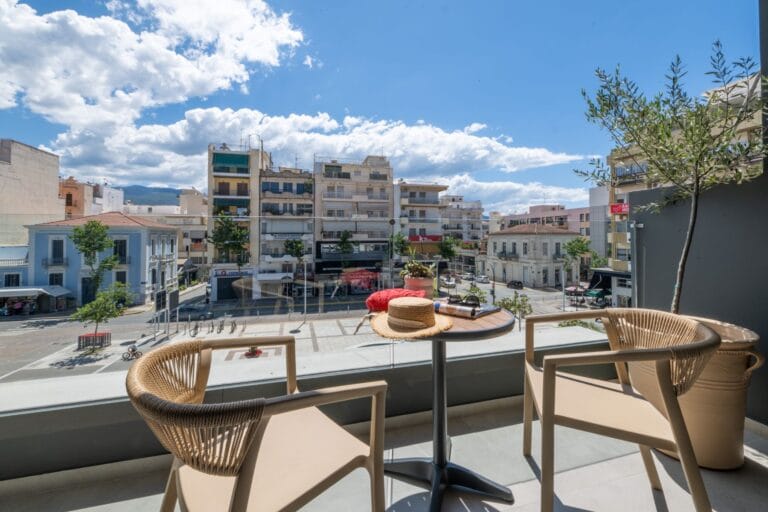
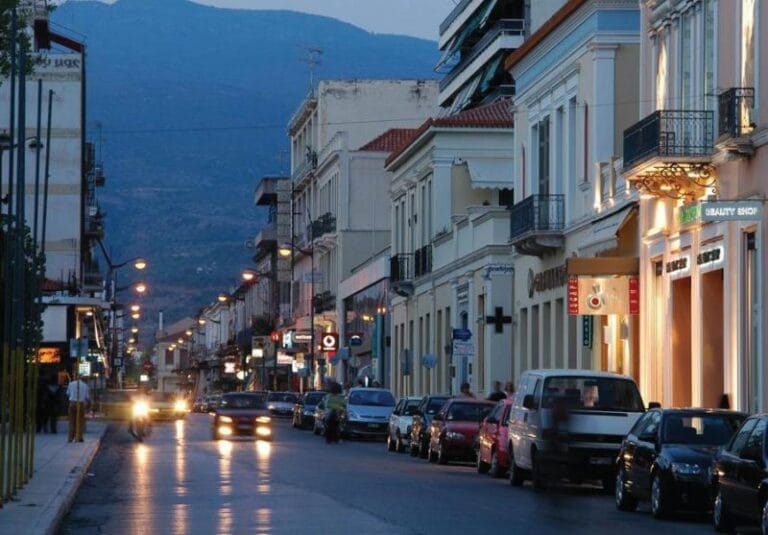
Kalamata, the capital of Messinia, is not just a beautiful seaside city in the Peloponnese. It is a living museum, a place where history and culture coexist with the modern pace of life. From its Byzantine monuments and museums, to its festivals that attract artists from all over the world, Kalamata is a destination where every corner tells a story.
Experience the history and culture of Kalamata up close, in a city where every corner tells a story. Stay at Centro Suites — the perfect starting point to explore museums, monuments, festivals and the vibrant heart of the town.
Book your stay now and take advantage of our exclusive reservation offers for an unforgettable cultural experience in Kalamata!
The Historical Identity of Kalamata: From Phares to the Present
The history of Kalamata begins in antiquity. Ancient Phares, as the area was called, was a thriving city of the Mycenaean civilization. Over the centuries, Kalamata developed into an important commercial and cultural center, with strong Byzantine and Frankish influence.
In the modern history of Greece, Kalamata played a decisive role: on March 23, 1821, it was the first Greek city to be liberated from the Ottomans, marking the beginning of the Greek Revolution. March 23rd Square in the city center stands as a symbol of this day and reminds every visitor of the strength and passion of the people of Messinia.
Walk in the Old Town: The Soul of Historic Kalamata
The old town of Kalamata is located at the foot of the Castle and is the heart of its history. Narrow streets, stone houses with tiled roofs, small squares and the scent of jasmine compose the setting of another era.
March 23rd Square and the Church of the Holy Apostles
March 23rd Square is dominated by the small Church of the Holy Apostles, the symbol of the city and its liberation. It was built at the end of the 12th century and has survived to this day, having suffered damage but also careful restorations. It is the place where the banner of the Revolution was raised, a fact that makes every visit there particularly moving.
The Castle of Kalamata
Climbing the hill above the old town, the Castle of Kalamataoffers panoramic views of the Messinian Gulf. The castle, founded by the Franks in the 13th century, has experienced sieges, restorations and earthquakes, but remains the city’s trademark. During the summer months, the venue hosts concerts and theatrical performances, bringing its stone walls to life.
Kalamata Museums – A Bridge Between Past and Present
Kalamata boasts an impressive variety of museums that reflect its culture, tradition and contemporary creation.
Archaeological Museum of Messinia (Benakio)
Housed in the city center, the Archaeological Museum of Messinia hosts exhibits from the Mycenaean, Classical and Roman eras. Vases, jewelry, tombstones and everyday objects highlight the centuries-old history of the region. It is a place that brings the visitor closer to the land of Messinia and the people who inhabited it.
Historical & Folklore Museum of Kalamata
It is located in a restored mansion in the Old Town. Here one can see objects of the everyday life of the Messinians of the 19th and 20th centuries, from agricultural and weaving tools to furniture and traditional costumes. This museum “speaks” about the identity of the place and the everyday life of its people.
Collection of Greek Costumes “Victoria G. Karelia”
A museum-jewel that ranks among the best of its kind. The Collection of Greek Costumes “Victoria G. Karelia” presents authentic costumes from all over Greece, with excellent aesthetic presentation and lighting. It is not just a clothing exhibition, but an experience that takes the visitor on a journey through Greek culture through clothing.
War Museum of Kalamata
For those interested in modern history, the War Museum of Kalamatanarrates the course of the Greek army from the Revolution of 1821 to the Balkan Wars and the Asia Minor Campaign. Exhibits such as weapons, uniforms and archival material testify to the participation of the Messinians in the national struggles.
Religious & Byzantine Monuments – The Spiritual Heart of the City
The Holy Monastery of Kalograi and Silk Fabrics
The Holy Monastery of the Nuns, located near the castle, is one of the most historic places in the city. It was founded in the 18th century and is famous for its woven fabrics and silks. The nuns continue the traditional art of weaving to this day, creating true works of art that are part of Kalamata’s cultural heritage.
The Hypapanti of Christ
The Metropolitan Church of Hypapanti is one of the most impressive ecclesiastical monuments in southern Greece. Its imposing dome and its beautiful mosaic interiors highlight the Byzantine tradition in all its grandeur. The feast of the Assumption (February 2) is a major event for residents and visitors, attracting thousands of pilgrims each year.
Other important churches
Among the Byzantine monuments worth seeing are the churches of Saints Constantine and Helen, Saint Nicholas and Saint Barbara. Each has its own history and unique architecture.
Festivals & Cultural Events – The Living Pulse of Kalamata
Kalamata is not only a city with history; it is also a city with a vibrant cultural life.
Kalamata International Dance Festival
It is the city’s premier cultural event and one of the most important contemporary dance festivals in Greece. Every summer, at the Kalamata International Dance Festival, renowned artists and groups from all over the world present original works and performances, transforming the city into a major art scene.
Kalamata Dance Hall
TheKalamata Dance Hall, a modern cultural center of high standards, hosts theatrical performances, musical concerts, seminars and exhibitions. Its presence strengthened the city’s position as a cultural hub in Southern Greece.
Local events and celebrations
Besides the big festival, Kalamata hosts a multitude of smaller events: documentary festivals, music nights on the beach, photography exhibitions and cultural nights in the squares. All of which prove that the city remains creative and open to art.
Short stories that bring Kalamata to life
Kalamata has experienced difficult times, but each time it is reborn. The 1986 earthquake, although it destroyed much of the city, became the occasion for a radical renaissance that included the restoration of cultural spaces.
The tradition of the Nuns and the Silk Workers is another example of perseverance and creativity. The nuns continue to weave in the same way their foremothers did, keeping alive a centuries-old art.
The Contemporary Culture of Kalamata – The City That Inspires
Today’s Kalamata is a center of artistic expression and innovation. Young creators, theater groups, musicians and visual artists choose the city to live and be inspired. Local organizations such as Faris – Culture and Sports Organization of the Municipality of Kalamata actively support these actions, while at the same time promoting the cultural extroversion of the region.
Kalamata is today a city that respects its past but looks to the future, building a new identity as a cultural destination in the Mediterranean.
Visiting Kalamata, you don’t just get to know a beautiful tourist destination, you get to know a living cultural organization. Its history, art, people and traditions make up an unforgettable experience. From the sound of the bells in Ypapanti to the rhythms of the International Dance Festival, every moment is a journey through time and the soul of the city.
For more information about cultural events, visit the official website of the Municipality of Kalamata.
Frequently Asked Questions
What are the most important museums in Kalamata?
The Archaeological Museum of Messinia, the Historical and Folklore Museum, the “Victoria G. Karelia” Collection of Greek Costumes and the War Museum.
When is the Kalamata International Dance Festival?
Every summer, usually in July, with participation from Greek and foreign artists.
Where is the Monastery of the Nuns?
At the foot of the Castle of Kalamata, a short distance from the historic center.
How many days do I need to get to know the cultural attractions of the city?
Two to three days are enough to visit the most important monuments and museums with comfort.
Are there events throughout the year?
Yes, Kalamata has a rich program of events throughout the year, with theatrical performances, concerts and exhibitions.